
JoyLit-Novels, Stories & Audio
JoyLit TeamBooks & Reference
3.81.05K Reviews
- Version
- 2.7.1
- Installs
- 500.00K
- Age Rating
- Mature 17+
Screenshots


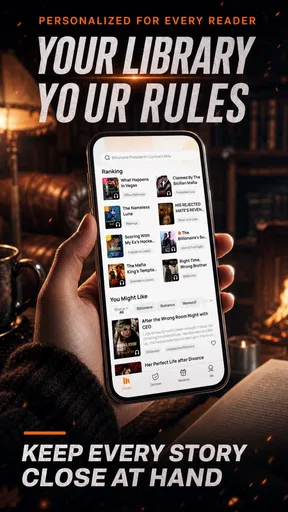
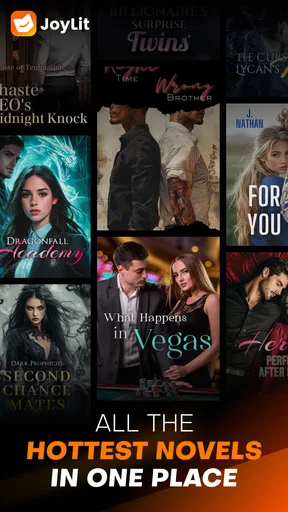
Our Review of JoyLit-Novels, Stories & Audio
 Analysis by Appyee
I approached JoyLit-Novels, Stories & Audio as a reading app first, rather than assuming that its dramatic genres would automatically make it a good fit. It belongs to the Books & Reference category, comes from JoyLit Team, and focuses on romance, werewolf, billionaire, and related serialized fiction. My overall impression is that it is designed for readers who enjoy returning to the same story in short sessions, especially when a cliffhanger is more appealing than a complete novel finished in one sitting.
The app is free to install, carries a Mature 17+ age rating, and has built a sizeable audience with over 500 thousand installs. Its average score sits at 3.8 from roughly 5 thousand ratings, with about 1 thousand written reviews. Those figures suggest a mixed but substantial user experience: enough people are finding value in the format, while the rating also tells me not to treat it as a universally polished reading solution.
What using JoyLit feels like in everyday reading
The clearest way to understand this app is to imagine a commute, a lunch break, or the final few minutes before sleep. Instead of opening a long ebook and committing to a full chapter, I can dip into a continuing romance or fantasy plot, read a small portion, and stop when the app reaches a natural pause—or an intentionally frustrating cliffhanger. That rhythm is the main attraction.
The catalog direction is very specific. If I want emotional tension, secret identities, powerful love interests, supernatural relationships, or wealthy-family drama, the premise is immediately more relevant than what I would find in a general-purpose ebook reader. The trade-off is equally clear: readers looking for literary fiction, nonfiction, reference works, technical books, or a broad public-domain library will probably feel constrained.
The store summary emphasizes free chapters daily, which makes the service easier to sample without paying at the door. In my view, that is useful for testing the writing style and deciding whether a particular series deserves a place in my routine. It also creates a reading habit built around waiting for or unlocking the next portion, rather than simply purchasing one finished book and reading at my own pace.
That distinction matters. JoyLit is not the same kind of tool as a conventional ebook app. A normal ebook store usually gives me a clear transaction for a complete title, while a library app centers borrowing rules and availability. Here, the experience is closer to an ongoing fiction feed with serialized reading and audio-oriented content. I would choose it for discovery and quick engagement, not for building a carefully organized personal library.
Finding the right story without wasting time
Genre labels are especially important in an app like this because the appeal depends heavily on mood. I would begin with one theme rather than opening several stories at once. For example, I might choose a werewolf story when I want fantasy tension, then keep a romance title as a lighter alternative. Starting too many series can make the app feel like a collection of unfinished commitments.
A practical approach is to give each opening a short trial. I pay attention to whether the narration feels natural, whether the central conflict appears quickly, and whether the chapter endings feel earned or merely designed to push me onward. This is one of the most useful habits with serialized fiction: the premise may be attractive, but the pacing over several installments is more important than the description of the first chapter.
I also recommend noting the names of stories that genuinely hold attention before exploring more. That sounds simple, but it prevents a common problem with content-heavy reading apps: browsing becomes the activity, while reading gets postponed. JoyLit works best when I treat discovery as a brief setup step and then settle into one or two active stories.
Daily chapters and the cost of convenience
The daily-chapter model can be friendly to a busy schedule. I can read in small portions without carrying a physical book or remembering exactly where I stopped. It also gives a series a sense of momentum. The downside is that the reading pace may no longer be entirely mine. If the next section is restricted, delayed, or connected to an in-app purchase, the story can begin to feel like a sequence of decisions about access rather than a simple reading session.
In-app purchases range from $0.49 to $99.99 per item. That wide span is the most important financial detail for anyone considering regular use. The low end may feel harmless when used occasionally, but repeated small purchases can add up, while the high end means I would never treat an on-screen unlock as an automatic purchase. I would first decide how much I am willing to spend on one story and stop when it reaches that limit.
My preferred workflow is to sample free material, identify whether the story remains enjoyable beyond its opening hook, and only then consider paying for access. I would also check the purchase confirmation carefully every time. This is not because the app should be assumed unsafe; it is because serialized fiction makes impulse spending unusually easy when a chapter ends at the moment of maximum suspense.
Audio reading changes the situation
The app’s positioning includes stories and audio, which gives it a different use case from a text-only reader. Audio can make a familiar romance or fantasy plot easier to fit into chores, walking, or travel. It is also useful when my eyes are tired and I still want entertainment. For this kind of listening, I would use headphones in shared spaces and keep the volume low enough to remain aware of my surroundings.
At the same time, audio is not automatically better than text. Text lets me skim a slow exchange, reread a confusing reveal, or move quickly through a scene that does not work for me. Listening removes some of that control and depends more on the quality and pace of the narration. My choice would depend on the moment: text for focused reading and audio for hands-busy periods.
A useful compromise is to use audio as a discovery tool. If the voice and opening performance hold my attention, I can continue listening. If not, switching to text may reveal whether the problem is the narration or the story itself. That simple comparison helps avoid abandoning a title for the wrong reason.
Trust starts with visible choices, not assumptions
Because this app involves reading habits, account activity, and possible purchases, I would judge trust through the controls I can actually see while using it. I would look for clear purchase confirmations, understandable account options, and straightforward ways to manage the reading experience. I would not assume that a free download means the entire experience is free, and I would not assume that a mature rating describes only romantic themes.
The Mature 17+ label is an important boundary. I would not install the app for a child or hand over an unsupervised device expecting the genre labels to provide enough protection. Adults should also consider whether the tone of billionaire and supernatural romance matches their preferences, since the age classification signals that the content is intended for older readers.
For privacy-conscious readers, the sensible approach is to share only what is needed for the account and reading experience, review any permission request when it appears, and avoid granting access automatically. If the app asks for something unrelated to reading or audio, I would pause and decide whether that access is necessary. That is a general but meaningful form of user control: permissions should be choices, not reflexes.
I also recommend separating reading decisions from payment decisions. A compelling cliffhanger is not evidence that a purchase is good value. Before confirming an item, I would check the amount, consider whether I want the next section immediately, and remember that the app offers a broad range of purchase prices. This small pause protects the reading experience from turning into an emotional spending loop.
Where the app is genuinely convenient
One strength is the low barrier to experimentation. I can try a genre that I would not normally buy as a complete ebook, read free material, and decide based on the actual tone. That is more flexible than purchasing an unfamiliar novel outright. The daily format also suits people who prefer a few minutes of escapism rather than a long uninterrupted reading block.
Another strength is the combination of text and audio-oriented storytelling. Even if I favor one format, having both directions makes the app more adaptable to different parts of the day. A story can fit into a quiet evening as text and a household task as audio, assuming the particular content and playback experience work well for me.
The focused catalog is an advantage for the right reader. Someone who already knows they enjoy werewolf romance or billionaire drama does not need to sift through unrelated nonfiction or general reference material. The app’s identity is clear enough that I can decide quickly whether it belongs on my phone.
Where I would be cautious
The same focus can become repetitive. If I want varied genres, complete books, or stronger control over what I pay for, a standard ebook store or library service may be a better match. Those alternatives usually fit readers who prefer choosing a finished work first and reading without a chapter-by-chapter access rhythm.
The purchase model is the biggest source of friction for me. Free daily chapters are helpful, but the possibility of spending anywhere from $0.49 to $99.99 per item means I would not browse casually with payment details ready and no personal limit. Readers who dislike locked chapters, waiting periods, or recurring temptation may find the format tiring even if they enjoy the stories.
The 3.8 average rating also encourages realistic expectations. I would not install this expecting every title to be equally polished or every reading session to feel smooth. Serialized fiction often depends on patience with dramatic pacing, recurring tropes, and stories that take time to develop. If I need consistently edited prose or a carefully curated literary selection, I would look elsewhere.
There is also a question of commitment. A traditional novel gives me a clear endpoint, while a serialized story can keep expanding my involvement. Before starting a new title, I would ask myself whether I am comfortable following an ongoing narrative and possibly deciding later whether to pay for more. That question is more important here than it would be with a one-time ebook purchase.
Who should try it, and who should skip it
I would recommend JoyLit to adults who enjoy romantic drama, supernatural relationship plots, billionaire fiction, and short, frequent reading sessions. It is especially suitable for someone who likes discovering new serials, wants free material to sample, and appreciates moving between reading and listening. The free entry point makes experimentation reasonable as long as spending remains deliberate.
I would suggest skipping it if the goal is a quiet, distraction-free reader for books already owned, a serious reference collection, or a predictable one-time price. It is also a poor fit for anyone under the stated age rating and for readers who strongly dislike cliffhangers or in-app purchase decisions. In those cases, a conventional ebook reader, library app, or complete-book store would better protect both attention and budget.
Device compatibility is approachable for older Android phones because the current version, 2.7.1, requires Android 6.0 or later. That makes the app accessible beyond only recent hardware. Still, I would keep the operating system updated where possible and install the app through the normal official store route rather than relying on unfamiliar copies. The developer is listed as JoyLit Team, which is the name I would use when checking that I have selected the intended application.
My practical routine for using it responsibly
I would begin with one free story and one backup title, not a dozen. During the first session, I would decide whether the writing and pacing suit me. During the next few sessions, I would notice whether the daily structure feels enjoyable or merely keeps me returning. If the story remains strong, I would set a personal spending ceiling before buying anything.
For account control, I would use a password I do not reuse elsewhere, review the account screen when I first sign in, and check purchase confirmations rather than tapping through them. I would also revisit notification choices if the app starts interrupting the day. A reading app should fit around my schedule; if alerts begin dictating when I read, turning them down is a sensible adjustment.
For data-sensitive moments, I would be particularly careful during registration, payment, and any permission prompt. I would read the wording on screen, provide only necessary information, and use device-level purchase authentication where available. These steps do not require technical expertise, but they make the difference between using the app intentionally and letting a convenient reading habit become uncontrolled.
My final view is cautiously positive. JoyLit is worth trying for adults who want serialized romance and fantasy entertainment in small daily portions, but it should be approached as a paid-content reading platform rather than an unlimited free library. Its free chapters, focused genres, and audio angle give it a clear place in the Books & Reference category. Its purchase range, mature content, mixed average rating, and ongoing-story structure mean I would recommend sampling first, setting limits, and keeping visible user choices at the center of the experience.
After using it that way, I can see the appeal: it turns a few spare minutes into an easy escape and makes genre discovery less committing than buying a full novel. I would keep it on my phone only if the stories consistently earn my attention without making me feel pressured to unlock every cliffhanger. For the right reader, that balance is achievable; for everyone else, a traditional ebook or library alternative will likely be calmer and more predictable.
Verdict
Strengths of JoyLit-Novels, Stories & Audio
- Large library of romance, fantasy, and drama stories
- Personalized recommendations help discover new novels
- Audio versions offer a convenient hands-free listening option
- Regular updates add fresh chapters and new stories
- Reading progress syncs smoothly across supported devices
Limitations of JoyLit-Novels, Stories & Audio
- Many popular stories require coins or a paid subscription
- Frequent chapter unlocks can make long stories expensive
- Audio availability varies significantly between individual titles
- Some stories contain repetitive plots or uneven writing quality
- Offline access may be limited for certain books or audio chapters
Similar Picks in This Category
View All
Google Play Books & Audiobooks
Google LLC4.7

네이버 - NAVER
NAVER Corp.3.5

Wattpad - Read & Write Stories
Wattpad.com3.7

King James Bible - Verse+Audio
Ozion4.8

Bible Offline-KJV Holy Bible
Bíblia Offline4.9

Amazon Kindle: Reading App
Amazon Mobile LLC4.8
Frequently Asked Questions
What is JoyLit-Novels, Stories & Audio?
JoyLit-Novels, Stories & Audio is an entertainment app designed for readers and listeners who enjoy serialized fiction, romance, drama, fantasy, mystery, and other story genres. It combines written novels with audio storytelling, allowing you to switch between reading and listening depending on your preference. The catalog may include both completed books and ongoing stories released in chapters.
Is JoyLit-Novels, Stories & Audio free to use?
The app can generally be downloaded and used without an upfront purchase, but access to every story, chapter, or audio episode may depend on the app’s payment system. Some content may be free, while premium chapters can require coins, subscriptions, or individual purchases. Before spending money, check the current pricing, renewal terms, and whether any trial automatically converts into a paid plan.
Can I read novels or listen to stories offline?
Offline availability depends on the specific version of JoyLit-Novels, Stories & Audio and the content selected. Some apps in this category allow users to download chapters or audio episodes for later use, while others require an active internet connection. If offline access is important to you, look for a download option inside a story and confirm whether saved content remains available after logging out.
Does JoyLit-Novels, Stories & Audio support both reading and audio playback?
The app is intended to support two ways of enjoying fiction: reading novels on screen and listening to narrated stories. The exact features can vary by title, because not every written novel necessarily has an audio version. Depending on the available player, you may also find controls such as playback speed, pause and resume, background listening, or progress synchronization between devices.
Is JoyLit-Novels, Stories & Audio suitable for children?
Parents should review the app’s age rating and individual story descriptions before allowing children to use it. Although the catalog may contain lighthearted or family-friendly fiction, serialized novel platforms often also publish romance, mature themes, violence, emotional conflict, or suggestive content. In-app purchases may be another concern, so parental controls and purchase restrictions should be enabled when the app is used by minors.
